Pinpoint the Problems! Community fingers join the effort to create age-friendly communities
Pinpoint the Problems! Community fingers join the effort to create age-friendly communities
Prototyping
Professor Name:Tsai, Shu-ying
Cooperation Partner:Red Heart Association
Patent:patent approved and awaiting patent issuance
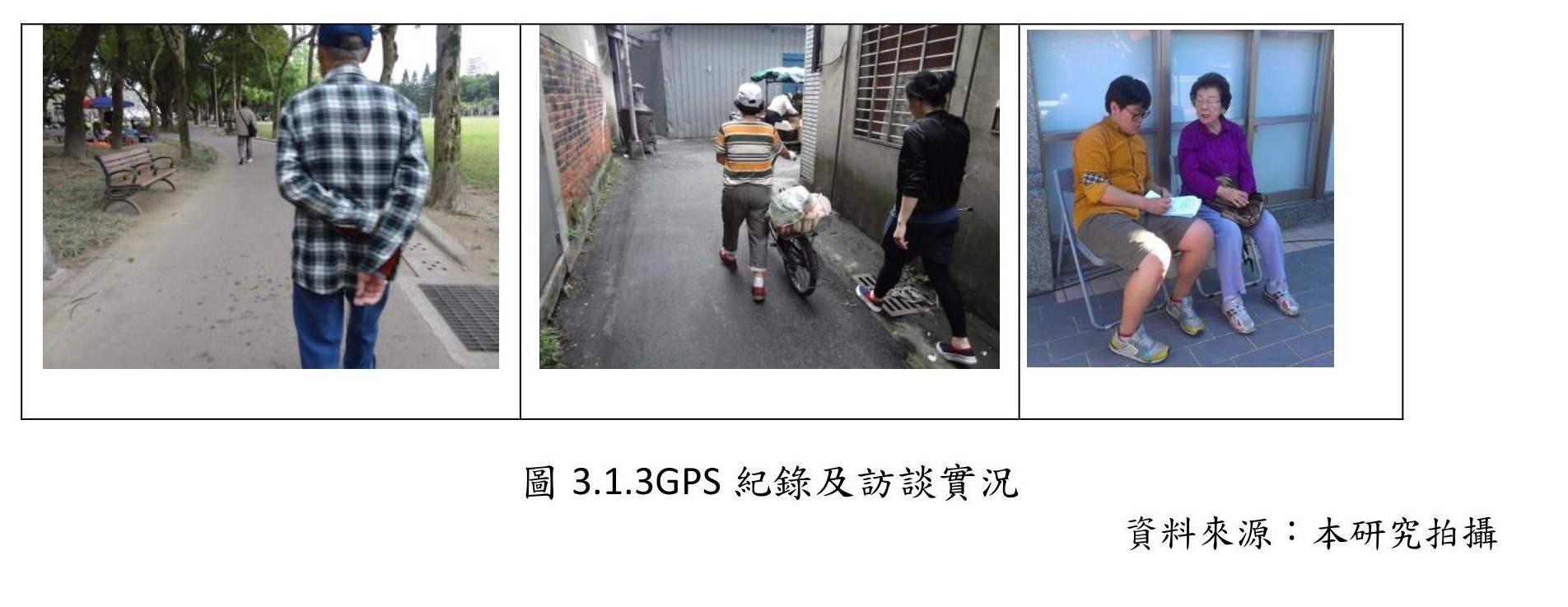
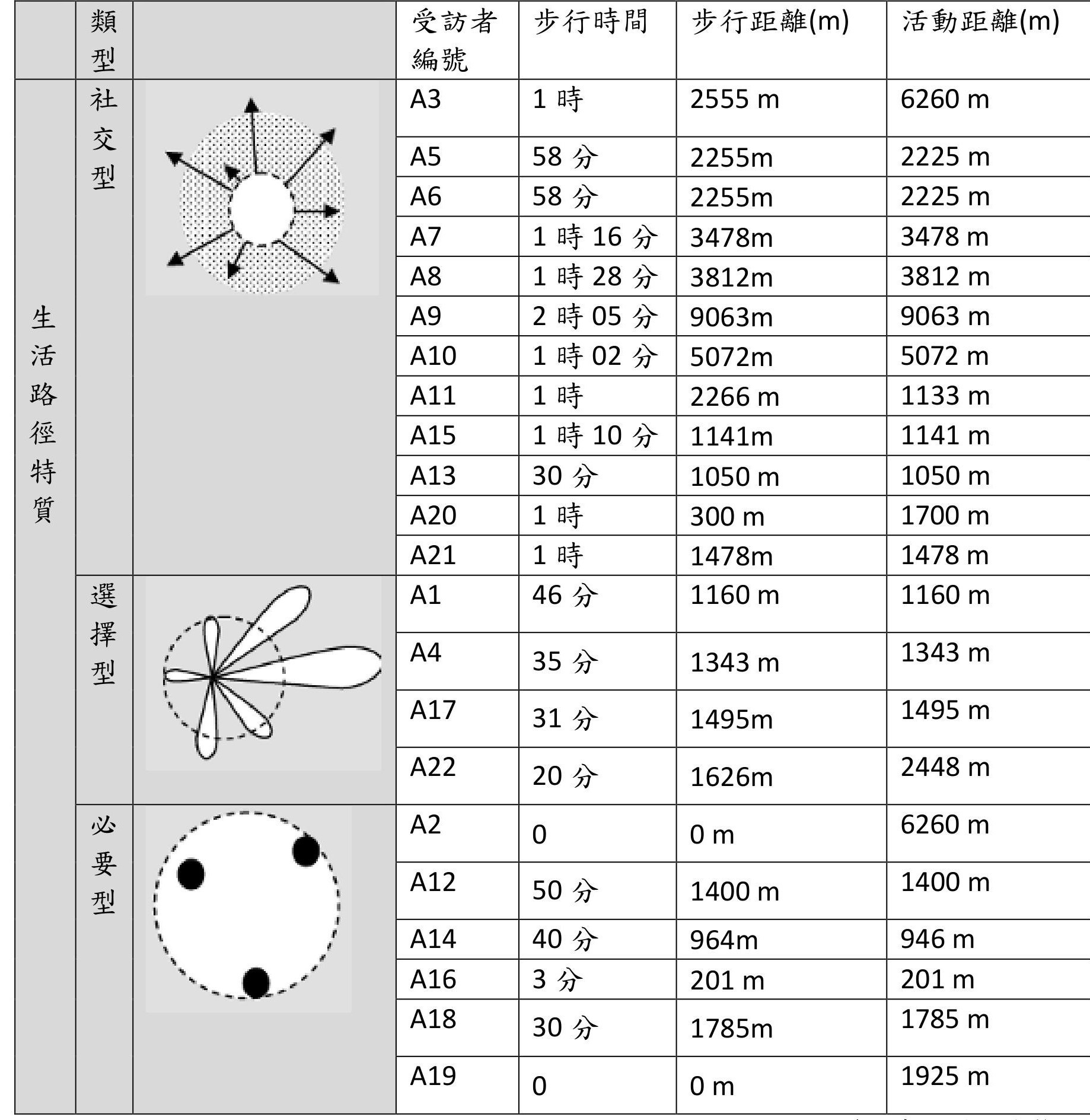
As part of global efforts to promote active ageing, the World Health Organization (WHO) published its guide for age-friendly cities in 2007, focusing on 8 critical themes. One of the themes, ‘outdoor spaces and buildings’, considers how current living environments affect the quality of life and daily living activities of older adults. Taiwan officially became an ageing society in 2018. Therefore, assisting Taiwan’s senior citizens to ‘Aging in place’ in familiar and appropriate community settings is an issue of critical importance. A MOST survey in Taipei conducted by the researcher interviewed 220 older adults, with 44 of these further consenting to having their daily movements tracked using a GPS device. The survey found that half (49.5%) of the participants felt that Taipei City is not yet an age-friendly city. The survey items receiving the lowest mean satisfaction scores were ‘pedestrian crosswalks & bicycle paths’ (2.13) and ‘importance of green spaces’ (3.36).
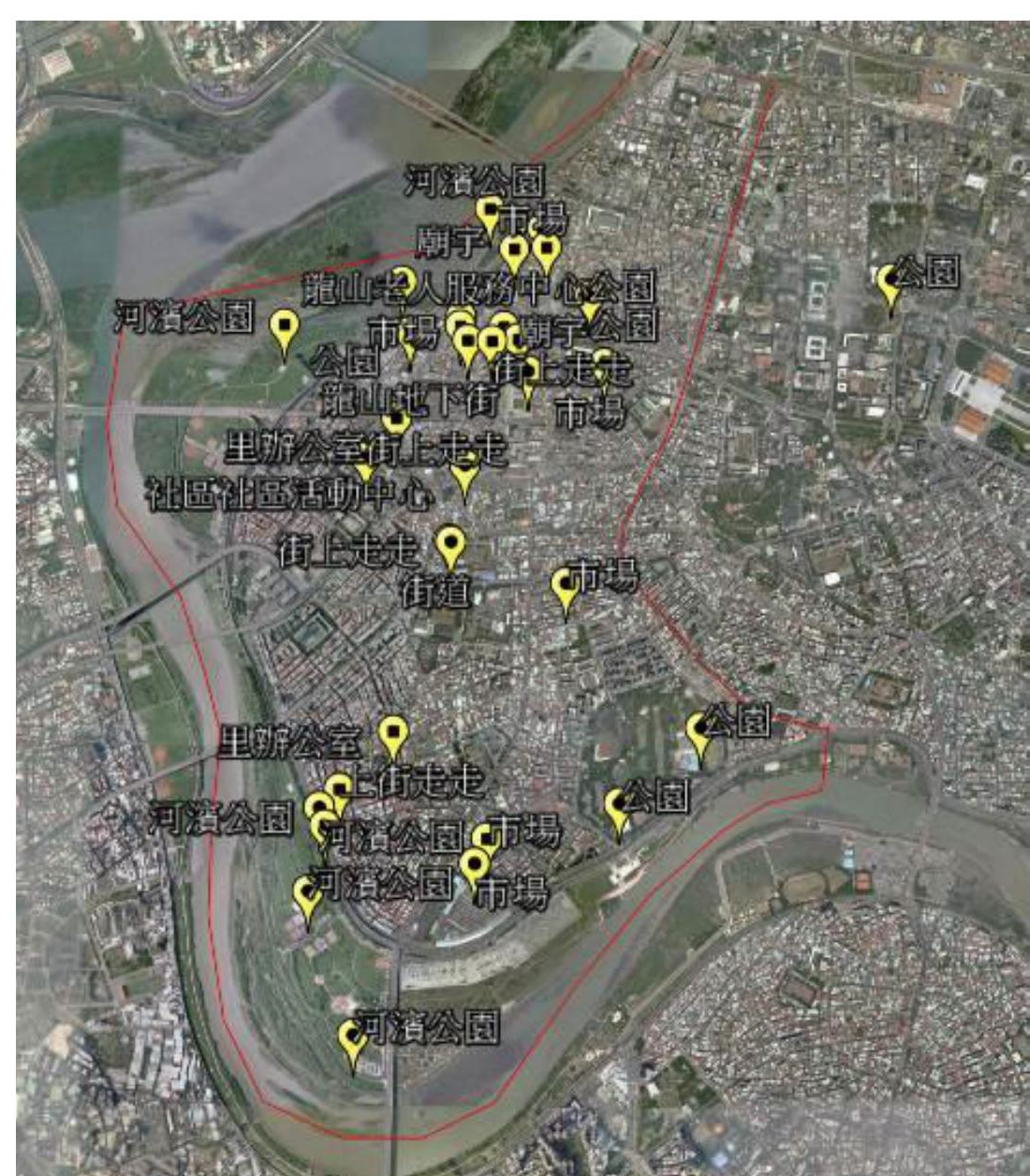
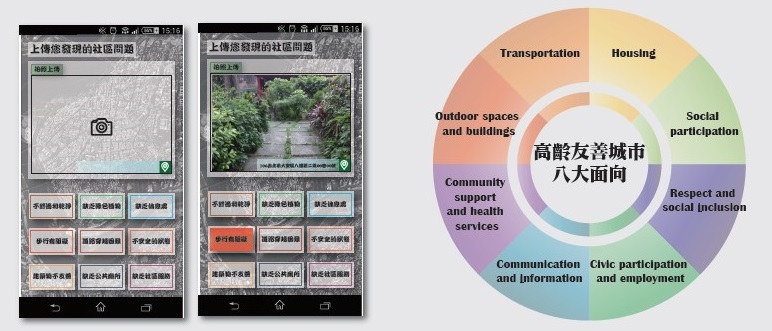
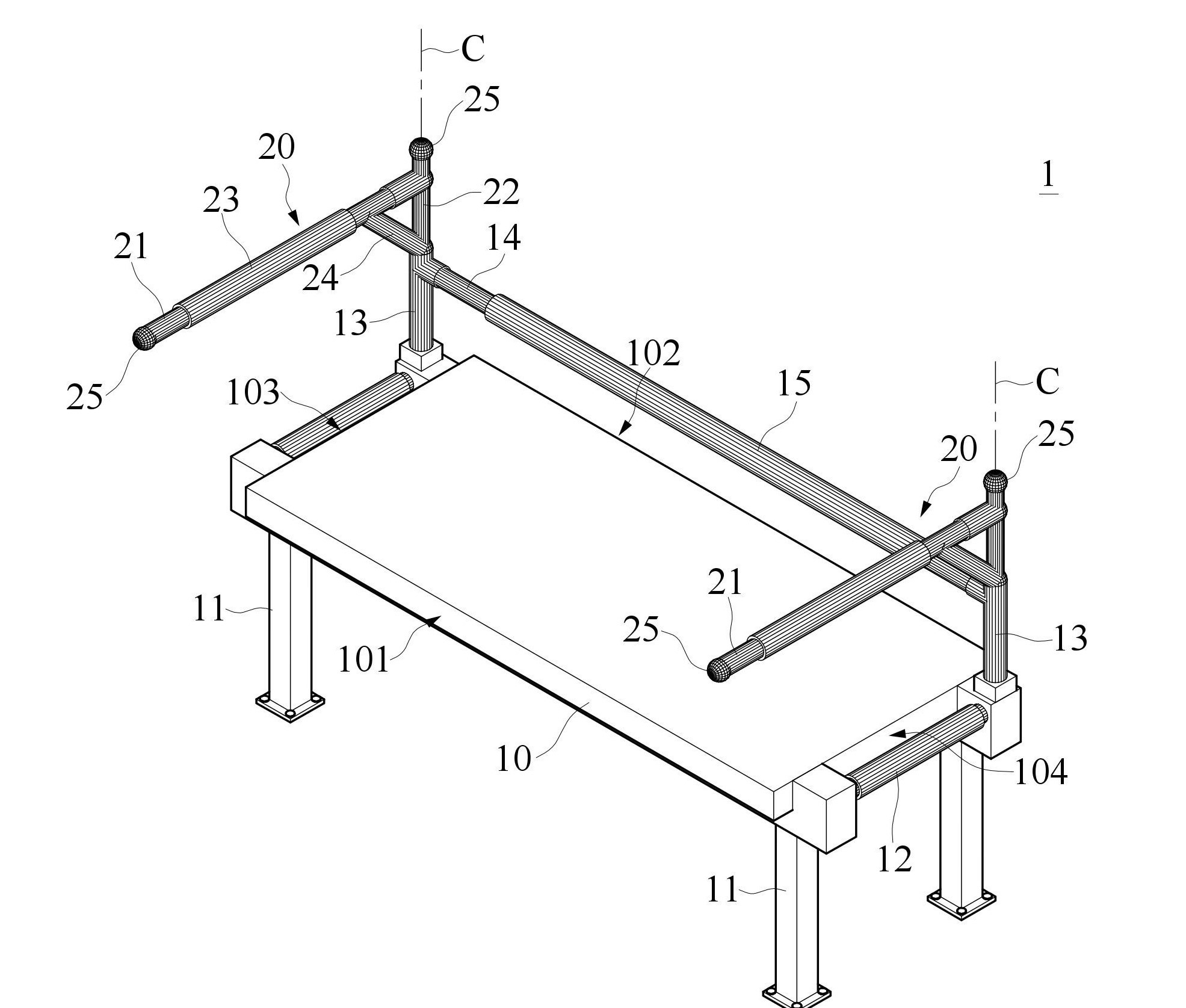
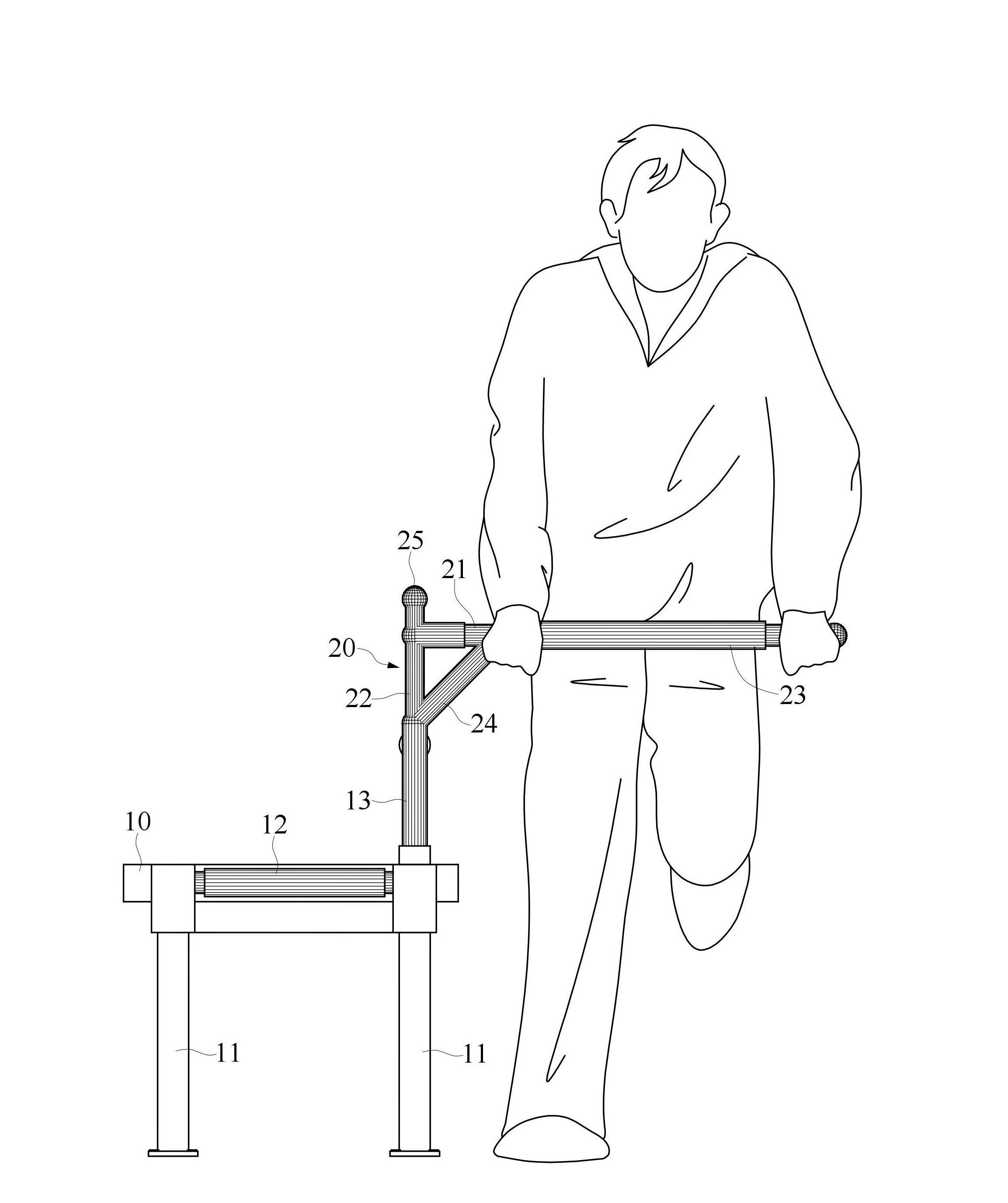
This R&D project encouraged older adults to actively participate in the planning and development of age-friendly communities. The project adopted the 11 checklist items under the WHO ‘Outdoor Spaces and Buildings’ theme, which include: Age-friendly pavements, Safe pedestrian crossings, Pleasant and clean environment, Walkways and cycle paths, Age-friendly buildings, Secure environment, Accessibility, Adequate places to rest, Importance of green spaces, Adequate public toilets, and Elderly-friendly services. GPS tracking and environmental testing technologies were used to integrate GPS geolocation information into all of the image data collected for this project, allowing the researcher to pinpoint the location of items identified as ‘unsatisfactory’ by the participants during their daily activities and then to provide sufficient related information on each of these items to the responsible agencies for their reference and follow-up action to enhance the age-friendliness of community spaces. Furthermore, multifunctional and age-friendly public outdoor furniture that is appropriate for both healthy and wheelchair-using older adults was installed in or near crosswalks, green spaces, plazas, and parks across the community. It is hoped that these efforts promote interactivity in the community, stimulate the senses, and promote health and rehabilitation. In the future, the community may further add to or rearrange the outdoor furniture based on current / developing needs.
The researcher hopes that communities across Taiwan will use the system that was developed in this R&D project to investigate their current situation and then use the related findings to install public outdoor furniture at appropriate locations in the community to meet the leisure, health rehabilitation, and social needs of older residents.